Exploring the Versatility of Ethnic Floral Patterns in Modern Design
Understanding Ethnic Floral Patterns
Ethnic floral patterns are a vibrant and culturally rich design element that have been used for centuries across various cultures. These patterns, often characterized by their intricate and detailed designs, draw inspiration from traditional motifs and natural elements. The beauty of ethnic floral patterns lies in their ability to blend historical significance with contemporary aesthetics, making them a versatile choice for a wide range of applications.
The Cultural Significance of Floral Motifs
Floral motifs in ethnic patterns are not just decorative; they carry deep cultural and symbolic meanings. For instance, in Indian textiles, lotus and peacock feathers symbolize purity and royalty, respectively. Similarly, in African fabrics, geometric and floral designs often represent community, unity, and nature. Understanding these symbols can add a layer of depth and meaning to any design project.
Fabric and Textile Design
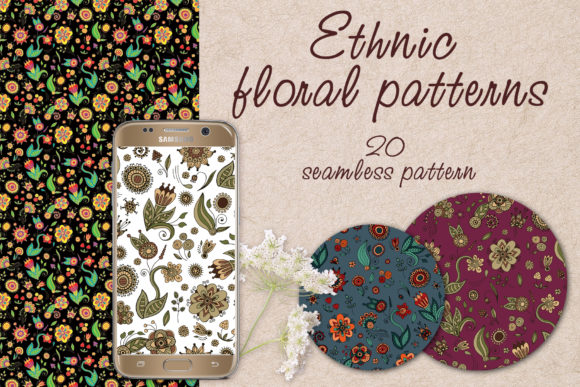
One of the most common and effective uses of ethnic floral patterns is in fabric and textile design. These patterns can transform ordinary materials into stunning pieces of art. Whether it's for clothing, upholstery, or home decor, the use of ethnic floral patterns can add a touch of elegance and cultural richness. For example, a set of 20 abstract hand-drawn floral decorative seamless patterns can be perfect for creating unique and eye-catching textiles.
Packaging and Wrappers
Brands looking to stand out in a crowded market can leverage ethnic floral patterns in their packaging and wrappers. These patterns can make products more visually appealing and memorable. From food packaging to gift boxes, the use of such patterns can enhance the overall aesthetic and appeal to consumers who appreciate cultural and artistic elements.
Interior Design and Decor
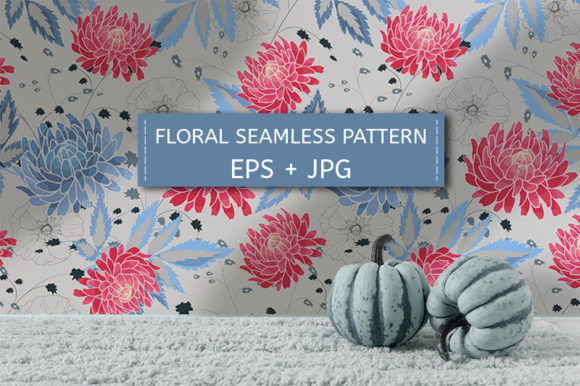
In interior design, ethnic floral patterns can be used to create a focal point or to add a subtle touch of elegance. These patterns can be incorporated into wallpaper, curtains, rugs, and even furniture. The key is to balance the boldness of the pattern with the rest of the room's design to avoid overwhelming the space. For instance, a single wall with an ethnic floral pattern wallpaper can serve as a striking backdrop in a minimalist living room.
Versatility and Adaptability
One of the main advantages of ethnic floral patterns is their versatility. They can be adapted to fit a wide range of styles and themes, from traditional to modern. This adaptability makes them a popular choice for designers who want to create unique and personalized designs. Additionally, the availability of seamless patterns in formats like EPS, AI, and JPG (4500 x 4500 px, 300 dpi, RGB) allows for easy integration into various design projects.
Enhancing Brand Identity
Using ethnic floral patterns can help brands establish a strong and distinctive identity. These patterns can be used to create a consistent visual language across all brand materials, from logos and business cards to websites and marketing collateral. This consistency helps in building brand recognition and loyalty, especially among consumers who value cultural authenticity and artistic expression.
Respect for Cultural Origins
When using ethnic floral patterns, it's important to respect the cultural origins and meanings behind the designs. This means being mindful of the context in which the patterns are used and avoiding any misappropriation or misuse. Researching the cultural significance and consulting with experts or members of the culture can help ensure that the patterns are used appropriately and respectfully.
Color and Scale
The choice of color and scale can significantly impact the effectiveness of ethnic floral patterns. Bright and bold colors can make the patterns stand out, while more muted tones can create a more subtle and elegant look. Similarly, the scale of the pattern should be carefully considered to ensure it complements the overall design. For example, smaller, more intricate patterns may work well for detailed work, while larger, bolder patterns can be more suitable for statement pieces.
Conclusion
Ethnic floral patterns offer a rich and diverse way to add cultural and artistic elements to various design projects. Whether used in textiles, packaging, or interior design, these patterns can bring a unique and meaningful touch. By understanding their cultural significance, practical applications, and considerations for use, designers can effectively incorporate ethnic floral patterns to create stunning and impactful designs.